
ⓘ
Last Verified: 2026-05-21T10:30:00.000Z
GSM (Grams per Square Meter), denoted as g/m², is the mass per unit area of woven geotextile fabric. In road construction, GSM selection directly affects separation efficiency, load distribution, and pavement service life. This article provides selection guidelines based on subgrade conditions, traffic loading, and applicable standards. Buyers comparing road-base fabrics can also review our woven geotextile fabric roll options for civil engineering, erosion control, and road stabilization applications.
Product Match
Related Woven Fabric Roll Options
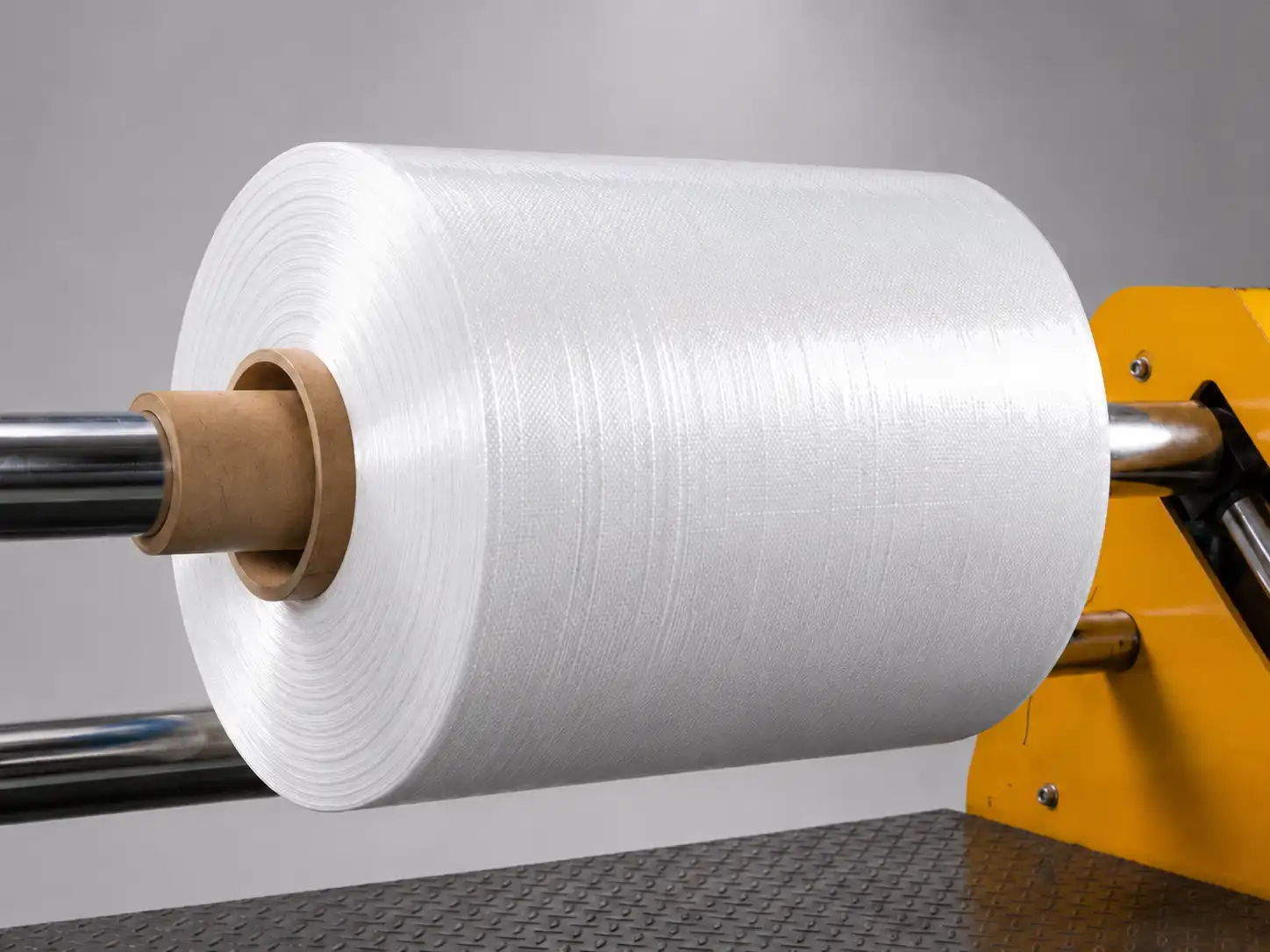
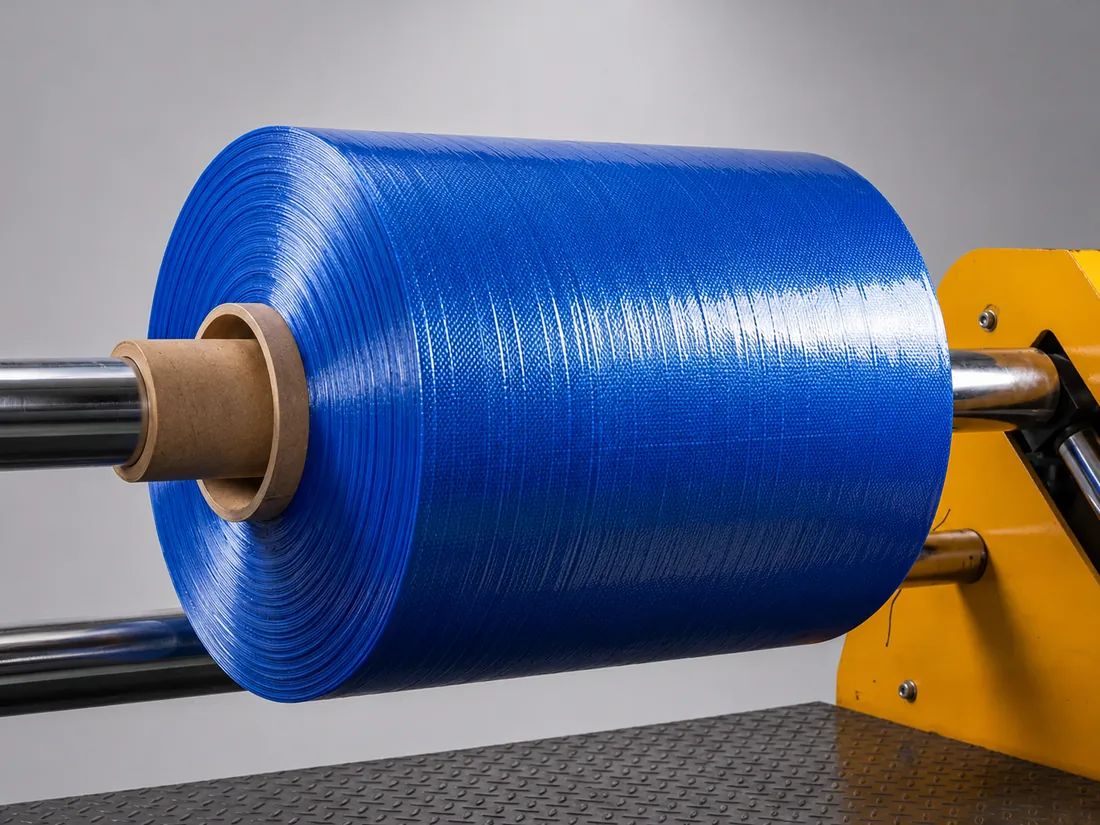
Common roll options for road base, covering and site-use specifications.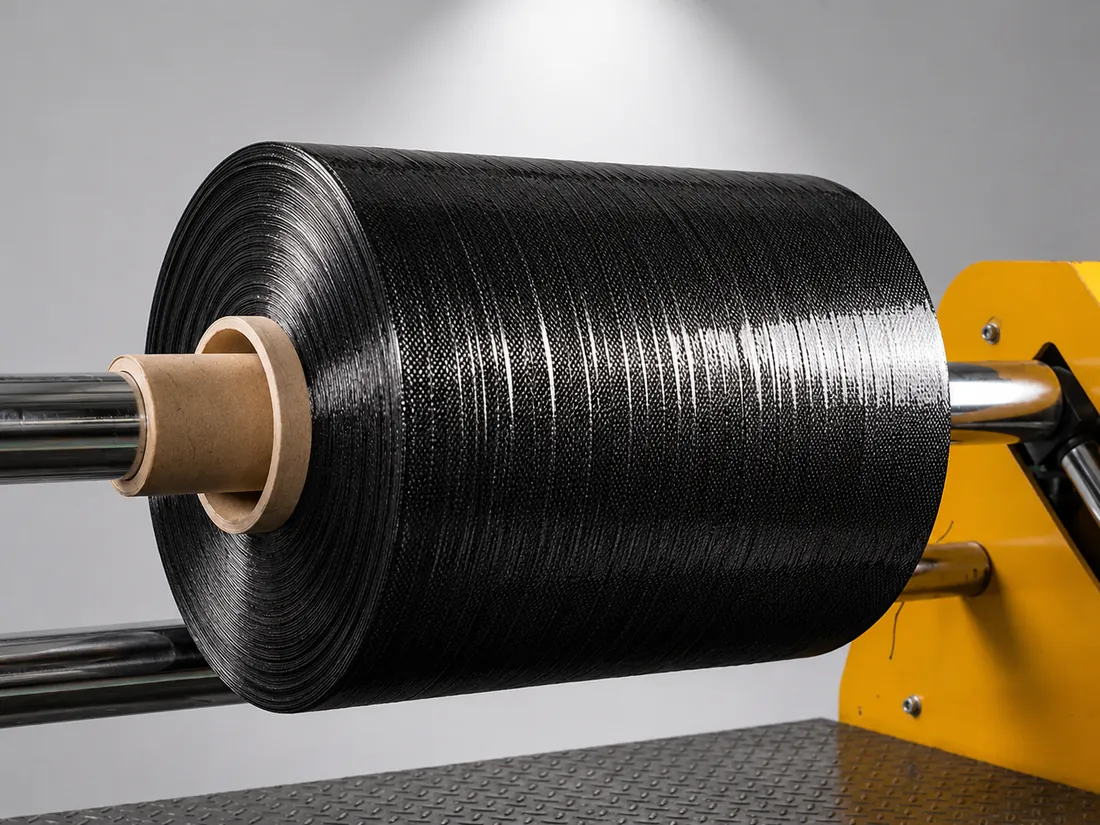
1. Geotextile Function in Road Construction
Woven geotextiles installed between subgrade soil and aggregate base course perform three primary functions:
- Separation: Prevents intermixing of subgrade soil and base aggregate, maintaining layer integrity.
- Stabilization: Provides lateral confinement to aggregate particles, increasing load-bearing capacity.
- Reinforcement: Distributes wheel loads over a wider subgrade area, reducing vertical stress.
GSM is a key specification that correlates with these functions. Higher GSM typically provides greater tensile strength and puncture resistance, though exact values depend on weave construction, tape dimensions, material composition, and testing method. For buyers comparing base cloth materials, our PP/PE woven fabric roll options can be customized by GSM, roll width, roll length, lamination, color, and packaging requirements.
2. Subgrade Classification and GSM Selection
Subgrade strength is typically measured by California Bearing Ratio (CBR). AASHTO M 288 classifies subgrades for geotextile selection as follows:
| Subgrade Class | CBR Range | Recommended GSM | Min. Wide-Width Tensile (kN/m) |
|---|---|---|---|
| Strong | CBR ≥ 3 | 80–120 g/m² | ≥ 18 kN/m (Separation) |
| Moderate | CBR 1–3 | 120–180 g/m² | ≥ 22 kN/m (Stabilization) |
| Weak / Soft | CBR < 1 | 180–250+ g/m² | ≥ 36 kN/m (Heavy Stabilization) |
For black-color or UV-sensitive road stabilization projects, buyers may compare black PP woven fabric roll options where darker color, UV stabilization, and outdoor exposure requirements are part of the specification.
3. Recommended GSM by Application
Unpaved Roads and Access Roads
For farm roads, logging trails, and temporary construction access roads with moderate traffic, such as fewer than 100 heavy vehicle passes per day:
- GSM range: 120–150 g/m²
- Typical tensile strength: 20–25 kN/m, wide-width
- Expected base thickness reduction: 15–30% per FHWA studies, depending on design assumptions and site conditions
Low-Volume Paved Roads
For local roads and rural highways with paved surface and moderate truck traffic:
- GSM range: 150–200 g/m²
- Typical tensile strength: 25–35 kN/m, wide-width
- Application: Separation layer between subgrade and base course
High-Volume Highways and Heavy Loads
For interstate highways, port access roads, and industrial haul roads with heavy truck traffic:
- GSM range: 200–300+ g/m²
- Typical tensile strength: 35–60+ kN/m, wide-width
- Application: Stabilization over soft subgrade, especially where CBR is below 1
4. GSM and Tensile Strength Relationship
For woven geotextiles manufactured from polypropylene tapes, GSM correlates with wide-width tensile strength but is not the sole determinant. Other factors include:
- Tape tensile strength: Higher orientation ratios produce stronger tapes at the same GSM.
- Weave density: Tighter weaves, such as more ends per inch, increase tensile strength.
- Material composition: Virgin PP generally provides higher tensile strength than recycled material at equivalent GSM.
For projects where visual inspection, lighter color, or material appearance is important, buyers may also compare white PP woven fabric rolls with darker or custom-color fabric options.
Typical wide-width tensile strength values by GSM:
- 100–120 g/m²: 15–20 kN/m
- 120–150 g/m²: 20–30 kN/m
- 150–200 g/m²: 30–45 kN/m
- 200–300 g/m²: 45–70 kN/m
5. Design Considerations
When selecting GSM for a specific project, consider the following:
- Traffic loading: Higher wheel loads and traffic frequency require higher GSM.
- Aggregate type and thickness: Angular, sharp aggregate may require higher puncture resistance.
- Installation conditions: Rough subgrade may require higher survivability and therefore higher GSM.
- Design life: Permanent roads require higher GSM than temporary access roads.
- Local standards: Some DOTs specify minimum GSM or tensile strength for specific applications.
The Giroud-Han design method (2004) provides analytical framework for calculating required aggregate thickness with and without geotextile reinforcement, considering subgrade CBR, wheel load, traffic passes, and geotextile tensile modulus.
Design note: Higher GSM is not always better. Excessively heavy geotextiles may be unnecessarily costly and more difficult to handle during installation. Select GSM based on site-specific subgrade conditions, traffic loading, installation method, and project specifications.
6. Quote Preparation Checklist
To receive a more accurate quotation for woven geotextile fabric rolls, prepare the following information before contacting the supplier:
- Application: road base stabilization, separation, erosion control, access road, or slope protection
- Required GSM or tensile strength range
- Roll width and roll length
- Material preference: PP or PE
- Color requirement: black, white, green, blue, yellow, transparent, or custom color
- UV stabilization requirement and expected outdoor exposure duration
- Estimated quantity: rolls, tons, 20GP container, or 40HQ container
- Destination country, destination port, and preferred trade term
- Required documents: product data sheet, test report, packing list, or third-party inspection
References
AASHTO M 288-21. Geotextile Specification for Highway Applications. AASHTO, 2021.
FHWA-HRT-17-111. Geosynthetic Design and Construction Guidelines. Federal Highway Administration, 2017.
Giroud, J.P. and Han, J. (2004). “Design Method for Geogrid-Reinforced Unpaved Roads.” Journal of Geotechnical and Geoenvironmental Engineering, Vol. 130, No. 8, pp. 775–786.
ASTM D4595. Standard Test Method for Tensile Properties of Geotextiles by the Wide-Width Strip Method. ASTM International.
Holtz, R.D., Christopher, B.R., & Berg, R.R. (2008). Geosynthetic Design and Construction Guidelines. FHWA.