
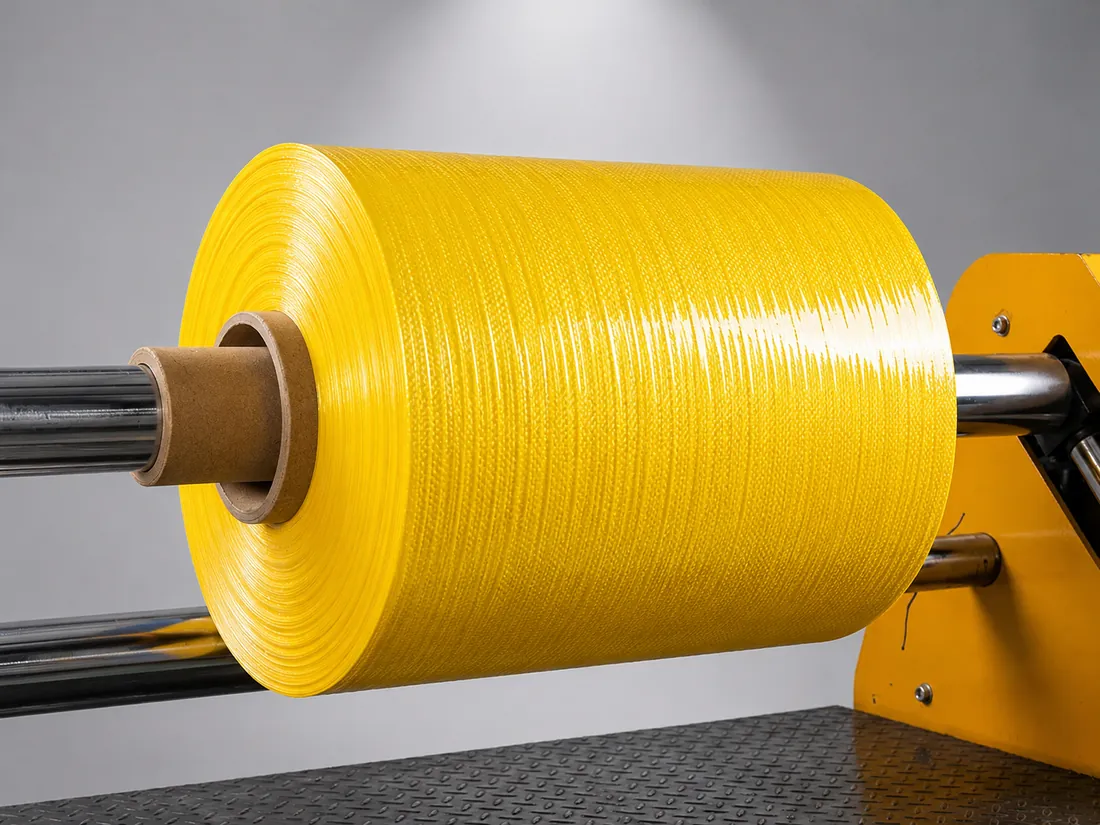
Visible site option
Yellow PP/PE Woven Fabric Roll
Yellow woven fabric roll option for visible site covering, temporary identification and construction-related protection enquiries.
Bulk Sourcing | Specification Support | Export Coordination
A woven fabric roll is PP/PE fabric supplied in roll form for converters and importers. Choose color, GSM, width, lamination and packing, then request a bulk quotation.
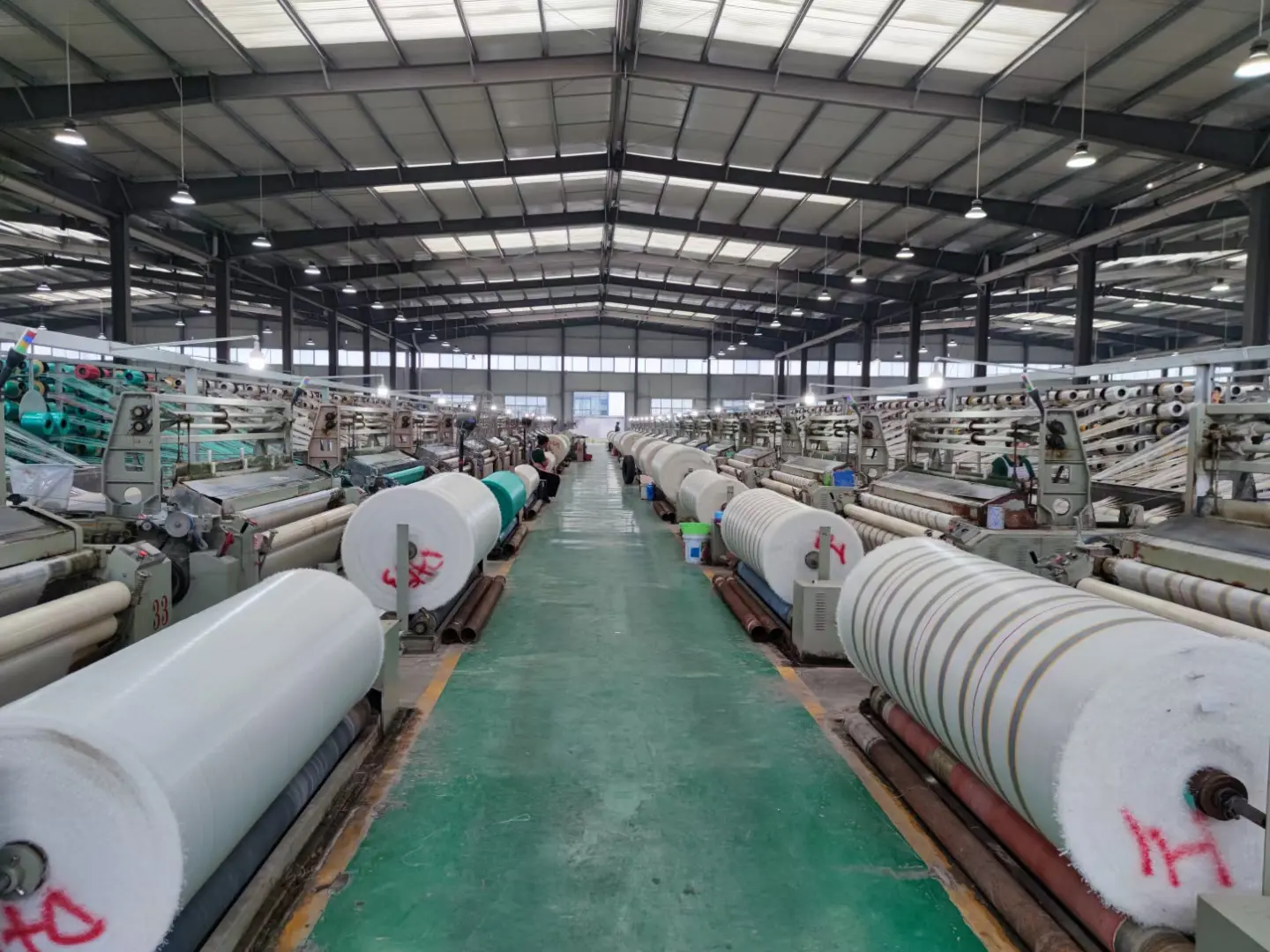
Featured Products
Browse selected roll options by color and application. GSM, width, roll length, lamination and export packaging can be discussed according to project requirements.
Visible site option
Yellow woven fabric roll option for visible site covering, temporary identification and construction-related protection enquiries.
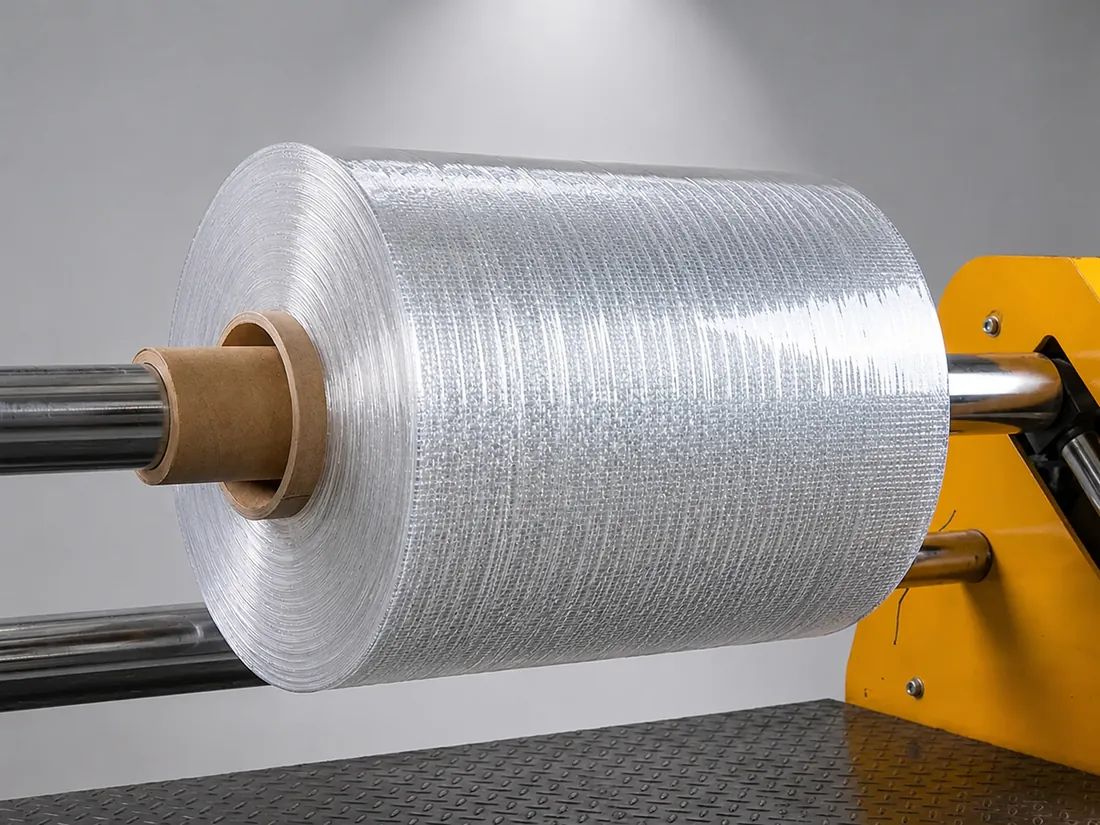
Light-transmitting option
Clear or transparent woven fabric roll option for protective covering where visibility or light transmission is relevant.
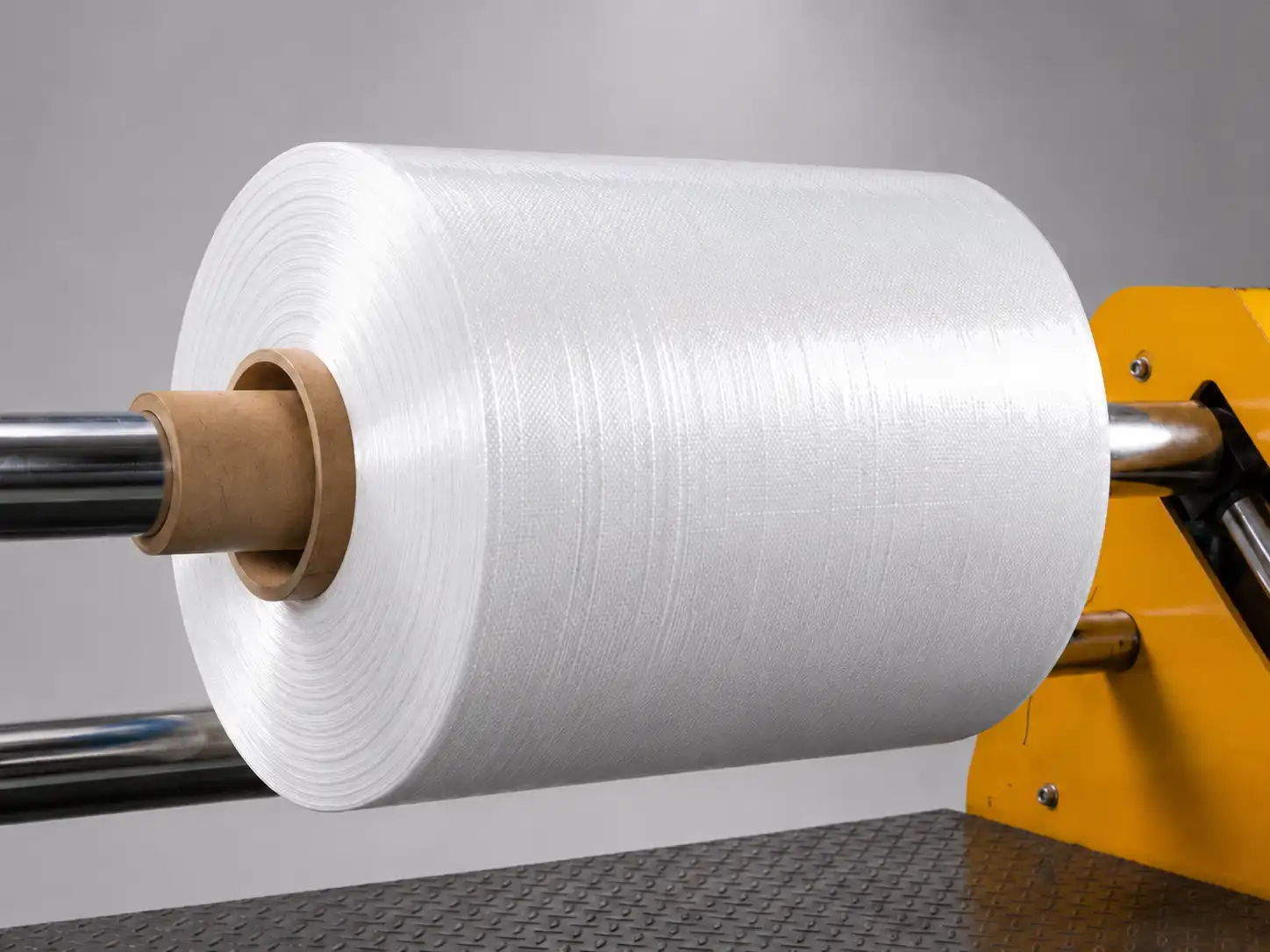
Clean appearance option
White woven fabric roll option for packaging, clean-appearance covering and product presentation requirements.
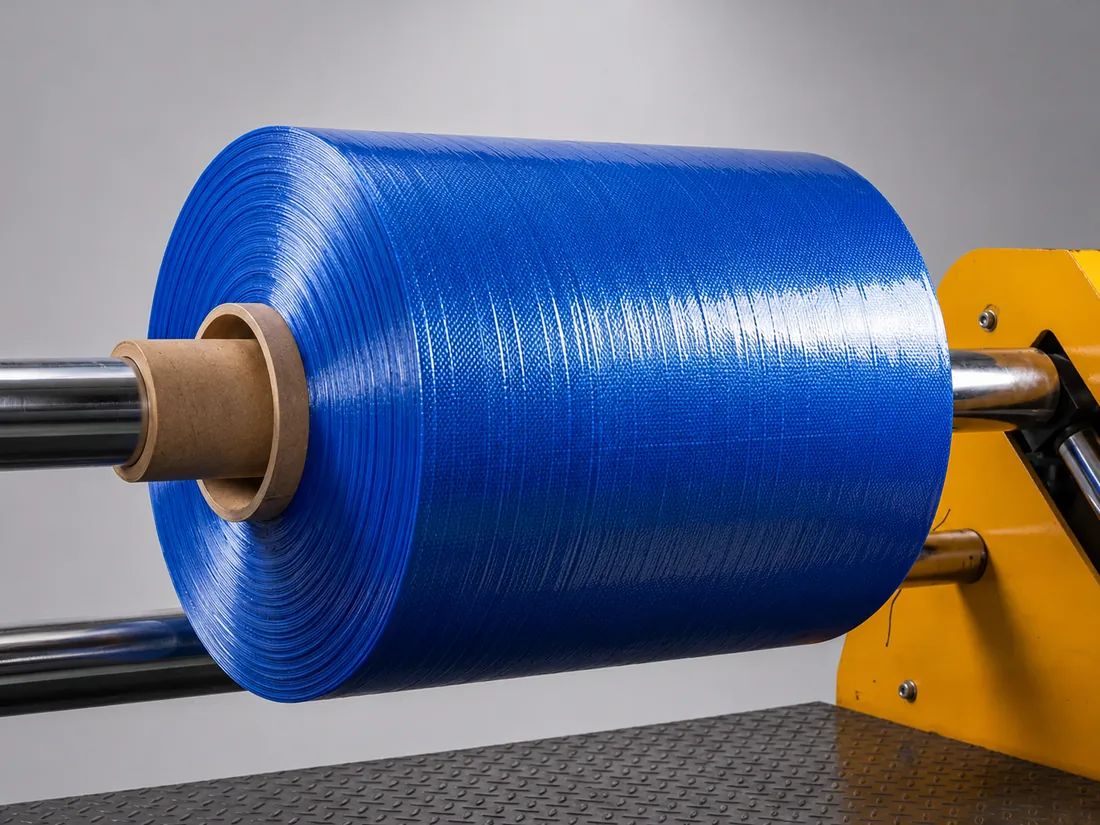
Visible covering option
Blue woven fabric roll option for outdoor covering, cargo protection and identifiable industrial wrapping.
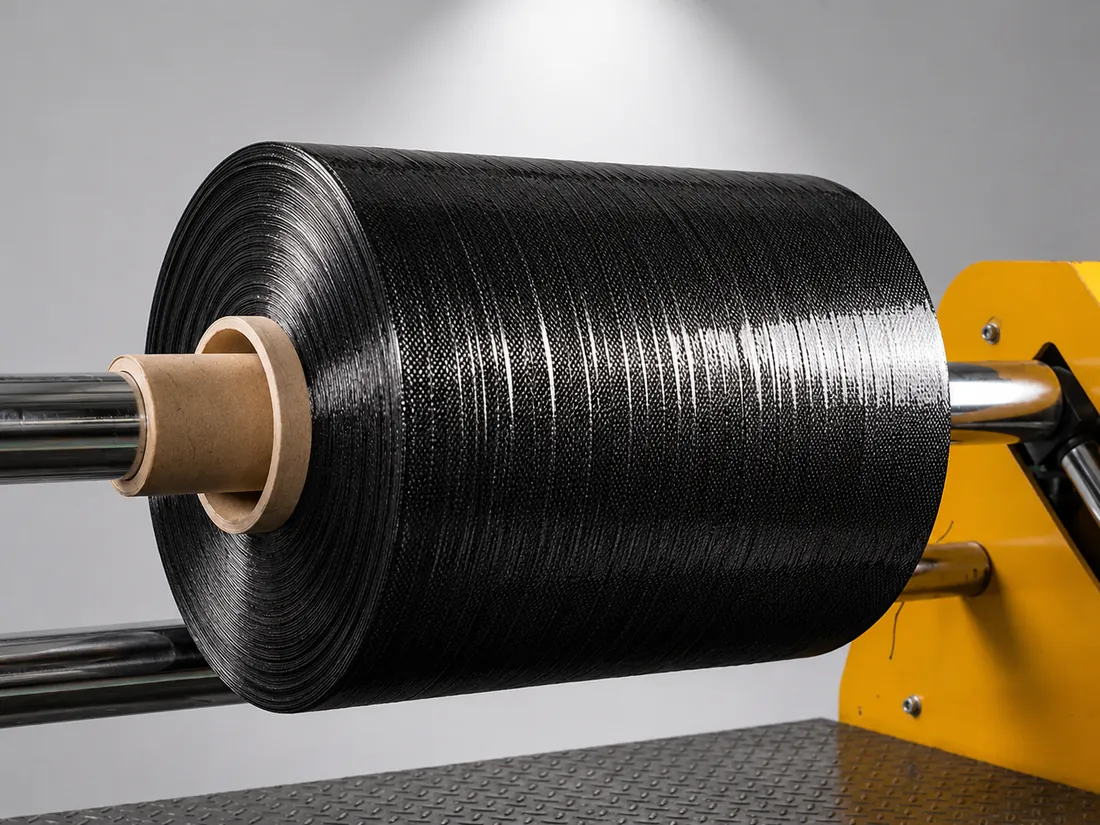
Dark-color outdoor option
Black woven fabric roll option for ground cover, visual light-blocking requirements and outdoor barrier applications.
Industrial Solutions
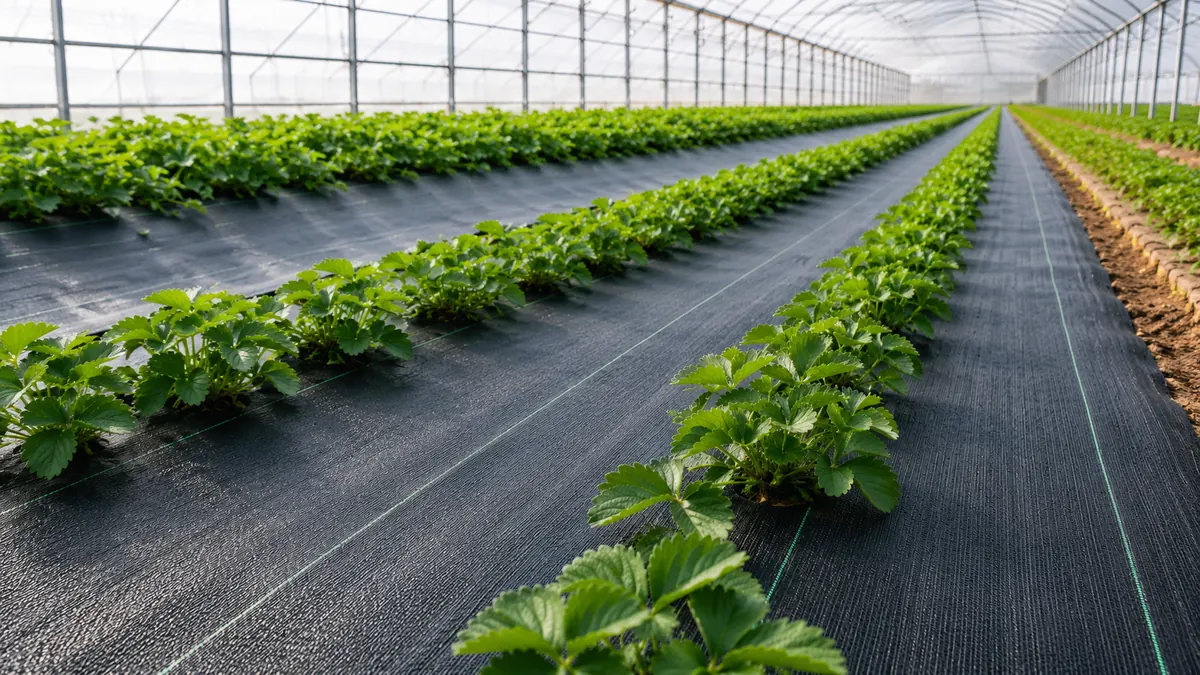
Woven fabric roll options for greenhouse flooring, agricultural ground cover and weed control applications.
View Application →
Woven fabric roll options for soil separation, road base support, slope protection and erosion control applications.
View Application →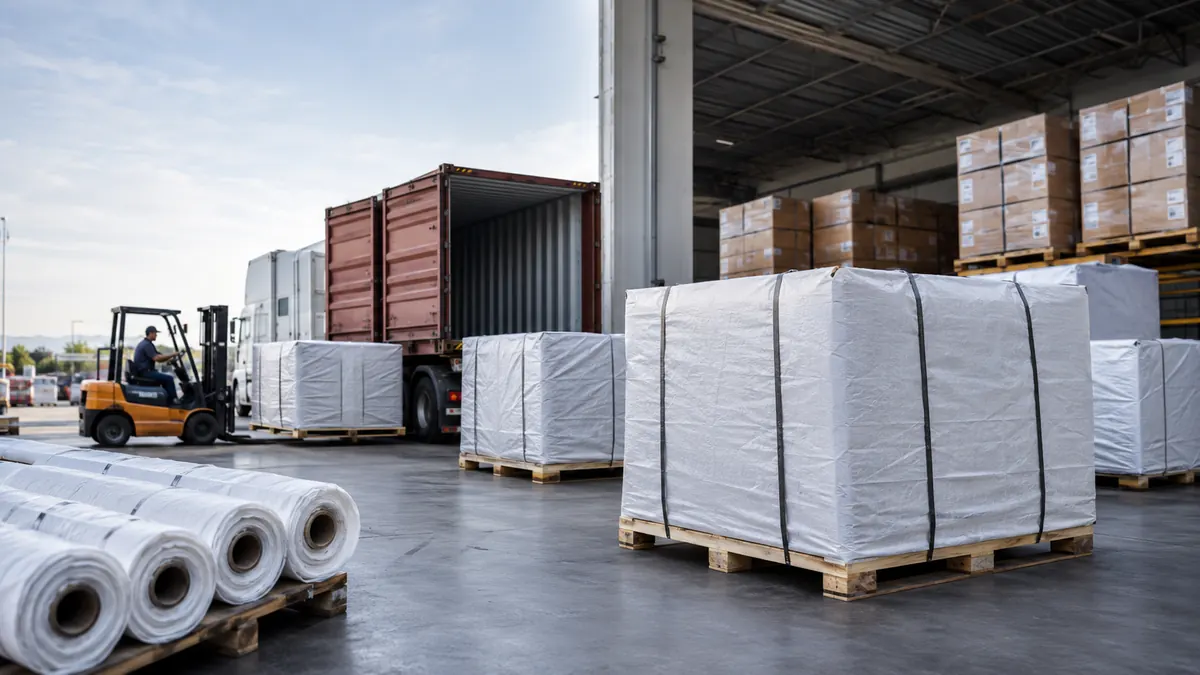
Protective wrapping fabric rolls for storage, transport, cargo covering and export packaging applications.
View Application →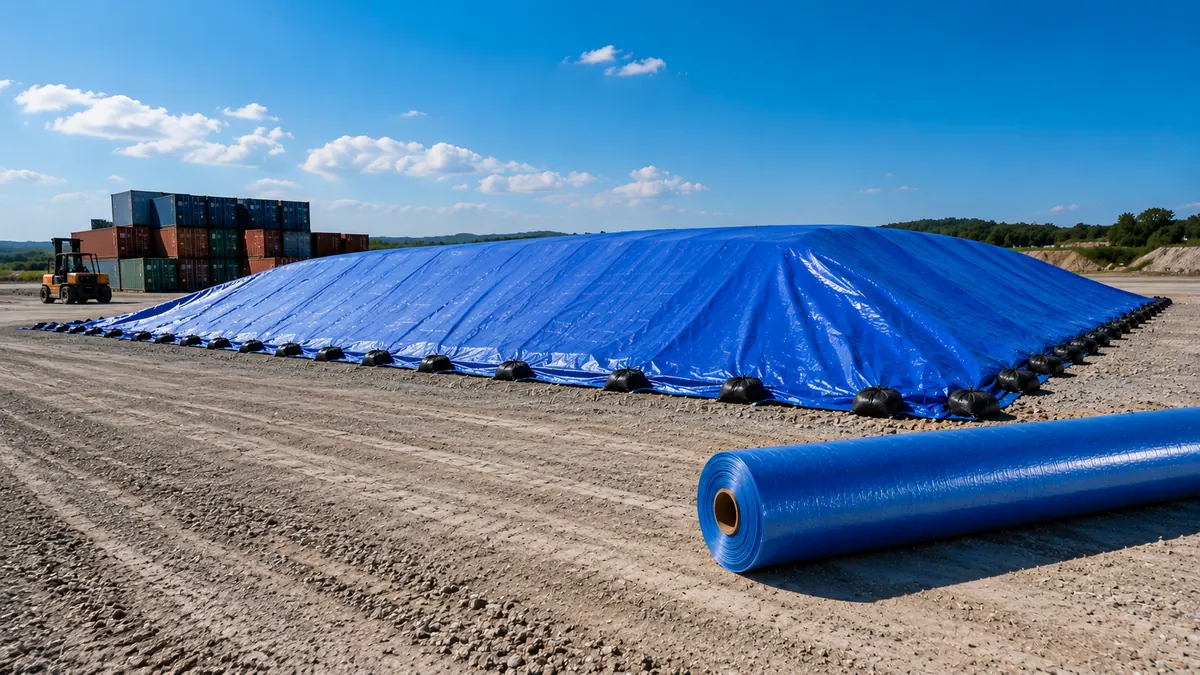
Laminated woven fabric rolls for outdoor protection, storage cover and cargo covering requirements.
View Application →Technical Precision
For bulk procurement, confirm application, GSM, width, roll length, material, lamination, packaging, quantity and destination port before quotation.
A woven fabric roll is roll-form PP/PE fabric for industrial packaging, ground cover, construction covering and tarpaulin conversion. Buyers usually confirm GSM, width, color, lamination and packing before price.
Yes. Custom GSM, color, width, roll length and lamination can be reviewed for bulk woven fabric roll orders.
Sample availability can be discussed from the required woven fabric roll specification and application.
The minimum order quantity is 3,000 kg. Custom color or unusual width may need more.
Request Factory QuoteResource Center
Practical resources for B2B buyers: GSM selection, application guidance, packaging requirements, documentation and quotation preparation.
Procurement guidance for wholesale geotextile, tarpaulin, agro-textile and industrial packaging sourcing.
GSM, PP vs PE, lamination, UV stabilization, tensile strength and geotextile parameter references.
Industry-specific use cases for agriculture, road base, erosion control, packaging and covering applications.
Documentation, capacity, compliance and export coordination references for bulk buyers.